

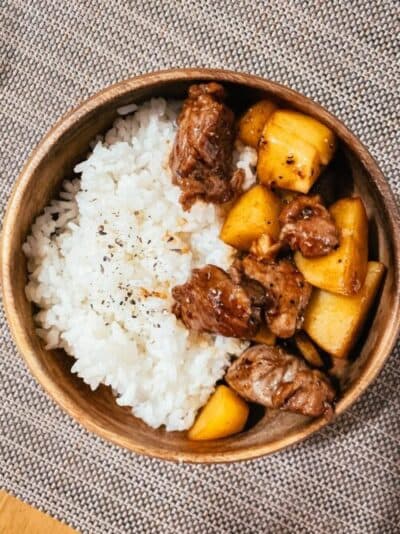
Food Bowl Dubai: Build Your Own
A well-made food bowl looks simple: base, protein, vegetables, dressing, but your choices decide how it rides across the city and how you’ll feel after lunch.
Food bowls can be grouped into different categories based on their ingredients and intended benefits. This makes it so much easier to find options that suit your needs. That can also be a healthy option if you’re on a diet!
In this guide, we give you a clear, repeatable way to build your food bowl in Dubai without guesswork. You can create meals tailored to your preferences and dietary needs. We’ll cover how bases affect heat and texture, how to match proteins and vegetables to a dressing, and how to size portions by sight.
Start with the Base
The base sets heat, density, and how the dressing behaves in transit.
Basmati Rice or Cauliflower
Basmati rice has long, separate grains and a familiar chew. It absorbs sauce and gives steady fuel; good for long afternoons at work.
Cauliflower rice is lighter and brighter. It keeps herbs and greens in the lead and lowers carbs without losing bite.
Both hold structure under a lid, so bowls open cleanly at a meeting table or desk.
Portion Sizing Tips
Measure by hand:
Base: ~1½ cupped hands
Protein: one palm
Vegetables: fill the rest
Dressing: one to two spoonfuls, then taste
You’ll get consistent bowls across people and days, no scale needed.
Measuring portions this way also helps keep your health and intake in check.
Add Protein, Veg, and Crunch
Protein provides structure. Vegetables add water, color, and micronutrients. A small amount of crunch finishes each bite.
Chicken, Plant Options, and Fresh Veg
Chicken is the most flexible anchor. It works with creamy dressings, tomato-leaning sauces, masala and soy-style glazes, and it keeps texture in a warm box.
Plant options (e.g., falafel or legumes) may rotate. If they’re not listed today, double vegetables and add seeds for bite.
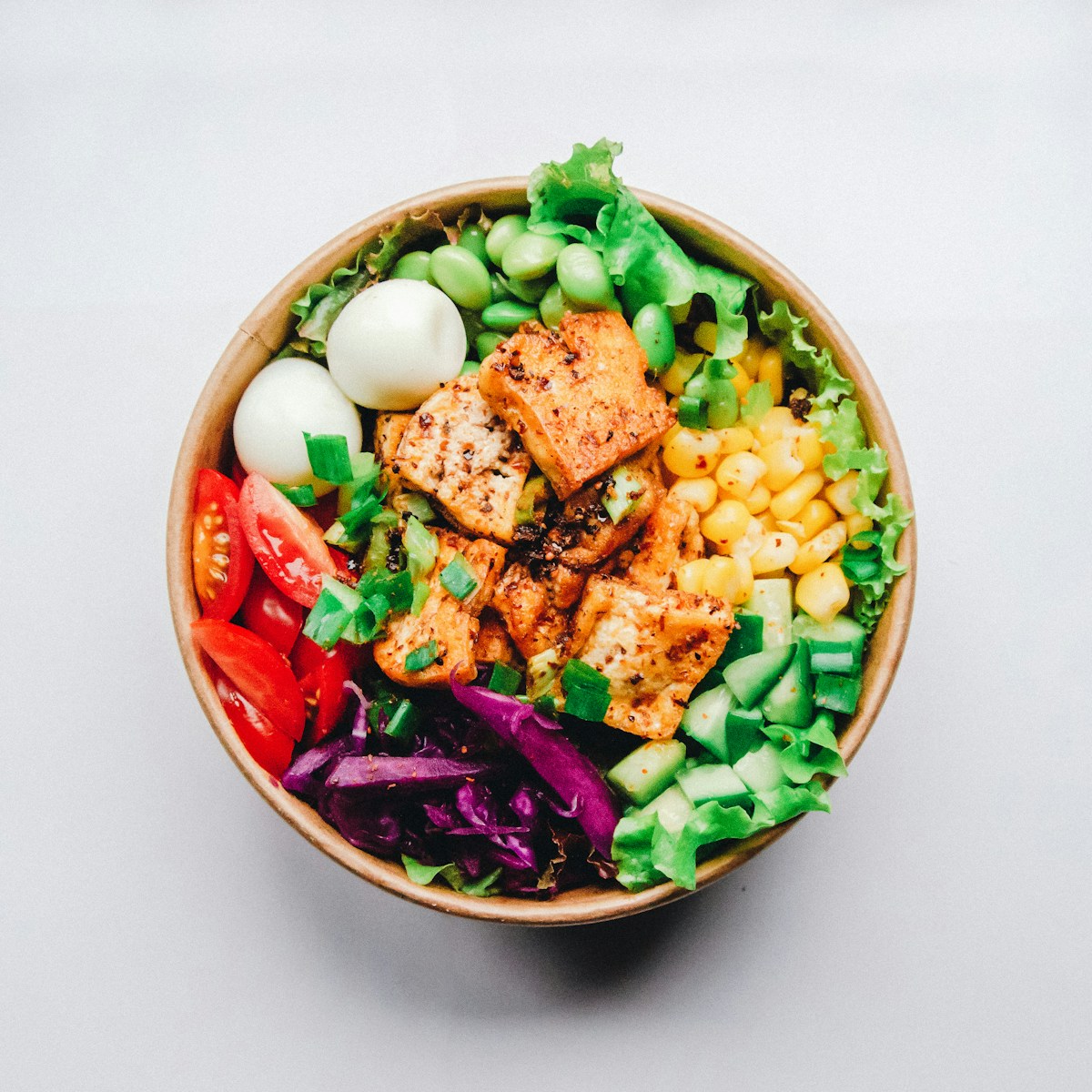
Vegetables to consider: broccoli, sweet corn, cucumbers, cherry tomatoes, mixed greens, and tender herbs. These keep their color and “snap” after the ride.
Home tinkering tip: chop denser vegetables a bit smaller so they mix evenly and take on dressing without turning heavy.
Nuts, Seeds, Pickles, Herbs
Seeds & nuts (like sesame) add snap without weighing the bowl down.
Pickles brighten rich or slightly sweet sauces.
Herbs (parsley, dill, cilantro) add aroma with no extra fat.
Use a light hand—these are accents, not a layer.
Dressings & Finishing
Dressings tie the build together. Aim for balance: enough acid to brighten, enough body to coat, not so much that the bowl turns soggy.
House-Made Sauces: Light, Classic, Bold
Light: citrus or yogurt-lemon. Best on cauliflower with plenty of greens and herbs.
Classic: tomato-leaning or aromatic butter-style. Clings to basmati; pairs with warm veg like broccoli or corn.
Bold: soy-forward (teriyaki-style) with a touch of vinegar and garlic. Adds depth and a neat sheen; finishes well with sesame.
If you want heat, choose mild, medium, or hot so the rest of the bowl stays in balance.
How to Keep It on the Lighter Side
Choose cauliflower as the base.
Keep the pour modest.
Stack greens high.
Pick lean chicken or a listed plant option.
Save nuts for a small finish.
Three BYO Templates
These templates show how small choices steer a bowl. Think of each template as a set of ingredients—a convenient set meal you can prepare in advance. Keep the pattern—base + protein + veg + dressing—then tweak to taste.
Low-Carb Bowl → Cauliflower base, chicken, light dressing
Add: cucumber, herbs, a few sesame seeds
Why it works: fewer carbs, crisp texture, steady focus
High-Protein Bowl → Basmati base, chicken (or another listed protein), extra seeds
Add: steamed broccoli and sweet corn
Why it works: basmati stays warm; seeds add snap without more sauce
Veg-Forward Bowl → Cauliflower base, plant option when available, mixed greens
Add: tomato- or yogurt-leaning dressing
Why it works: plant-first, bright, easy to eat at your desk or bench
What Changes When You Change the Base
Flavor
Basmati carries spice and deeper sauces. Cauliflower keeps herbs and greens in front.
Feel
Basmati is chewier and more substantial. Cauliflower is lighter with a clean finish. If you want volume without weight, choose cauliflower and load vegetables.
Temperature
Both hold heat. Basmati tends to stay warmer a bit longer; cauliflower cools faster but keeps its bite.
Leftovers
Basmati reheats better (add a spoon of water and stir). Cauliflower is best fresh.
Macros
Swapping the base shifts calories and carbs while the bowl’s identity stays the same. That lets you adjust intake without rewriting the meal.
Ordering in Dubai
Confirm the builds you like on Rice Bowls (bases, proteins, vegetable pairings, dressing styles).
Choose one base, one protein, two vegetables, and a dressing; add a small crunch finish if you want extra texture.
Schedule delivery through an easy online ordering process; you’ll complete checkout in the partner app for your area and time slot.
These food bowls are available through a variety of restaurants in Dubai, offering diverse options to suit different tastes.
Informational Notes for Common Situations
We understand that people have different needs and preferences in these situations, so here are some suggestions:
Office lunches: Cover most preferences with an even split of basmati and cauliflower. Keep one dressing per bowl to avoid clashes. If you need more crunch on the table, add a couple of salads rather than extra sauces.
Training days: Basmati, higher-protein choices, classic or bold dressing, and seeds for texture. Warm, steady, and filling.
Desk-heavy weeks: Cauliflower, light dressing, lots of greens, and a small seed finish. Bright flavor, clean bite.
Families and small groups: Pick one theme; light, classic, or bold! This makes flavors match across the table, and comparisons stay easy.
Conclusion
A reliable bowl is built on small, clear choices. Start with intent: comfort or lightness. Pick the base that fits: basmati for chew and warmth, cauliflower for a bright finish. Add a protein that matches your day, load vegetables for color and water, and choose one dressing that binds the bowl without burying it. Portion with your hands, keep crunch modest, and taste once before adding more. That’s how a bowl travels well, lands hot, and tastes clean, every time!
When you’re ready to put this into practice, check out different Rice Bowls to confirm the base and build you want, and then schedule a delivery. You’ll finish checkout in the partner app, pick a time that fits, and the bowl will head straight to your place with the texture and balance we designed for delivery.
FAQ
How do I choose between basmati and cauliflower if I’m unsure?
Decide by intent. If you want comfort and a classic mouthfeel, go basmati. If you want a lighter bowl that still fills the container, go for cauliflower and pile on greens. Keep the same protein and dressing and swap only the base to learn which lane fits different days.
What if I need steady energy all afternoon?
Use basmati, add chicken, include a structured vegetable (broccoli, corn), and pick a dressing with body (classic or bold). Keep the pour controlled so the bowl doesn’t feel heavy. This combo holds heat and keeps a stable pace.
How do I keep a bowl from feeling too dense?
Pick cauliflower as your base, accompanied by a lighter dressing, herbs, and pickles, and finish with a small spoonful of seeds. If you still prefer basmati rice, keep your pour thinner for the vegetables and provide more lift.
Can I mix bases in one bowl?
Pick one base per bowl so ratios stay right. If you want both, place two bowls: one basmati, one cauliflower, and share!
How much dressing is “light”?
You want to start with one spoonful, toss it around, taste, and then add a second only if needed. You want a thin, even dressing coat with a slight gloss on the contents, not a pooled dressing sitting at the bottom of the bowl.